Article
24 Apr 2026
Why Solar Installations Underperform: The PV ROI Gap
Solar integration without load control leaves ROI on the table. See why solar PV installations underperform, and how intelligent load management fixes it.
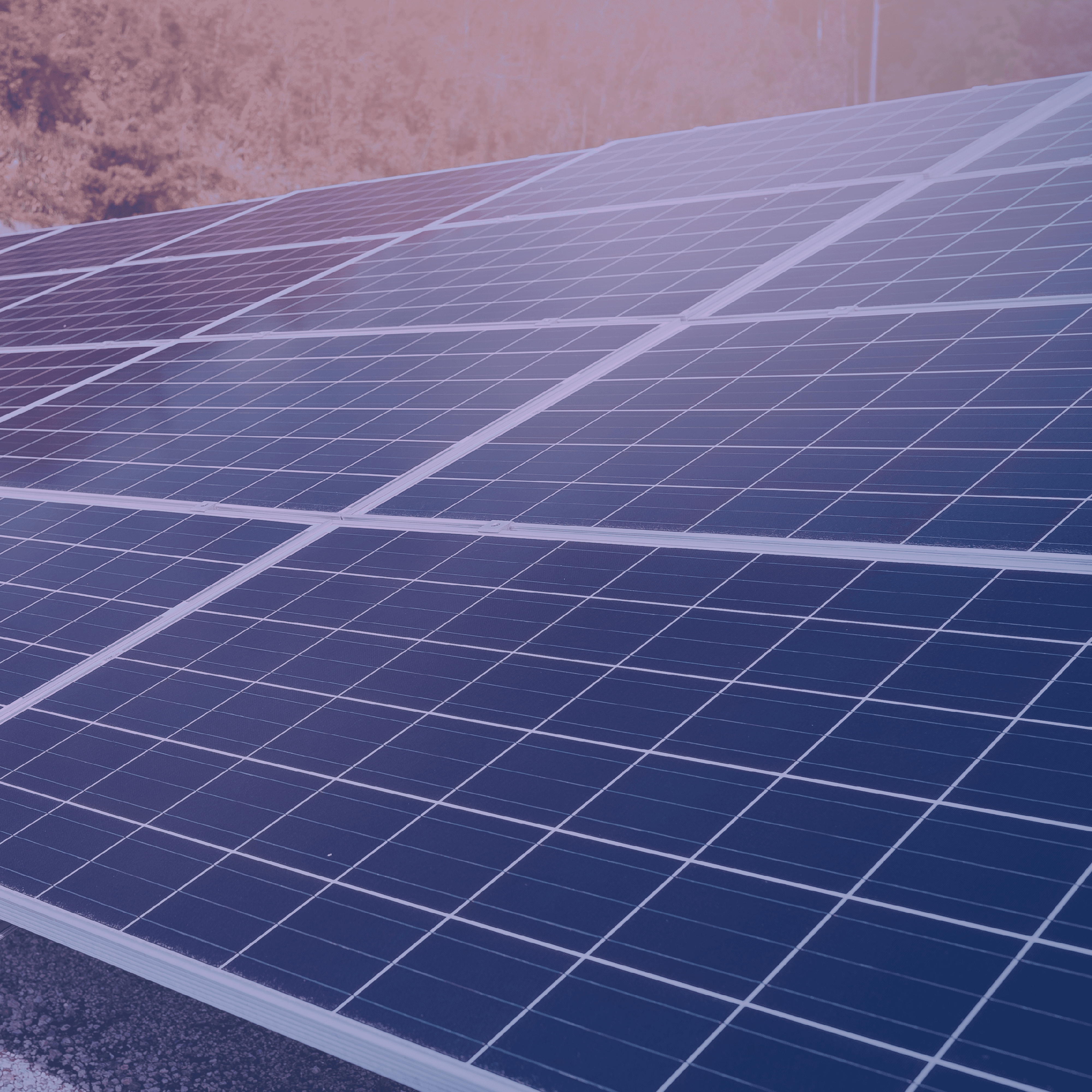
South Africa has seen a significant wave of solar PV installations and solar integration projects across commercial and residential developments over the past several years. The business case, on paper, is straightforward. Energy costs are high, grid reliability is variable, and solar technology has become accessible enough that the ROI calculation looks compelling.
The reality, for many operators, has been more complicated.
Solar installations that were projected to deliver significant savings are delivering a fraction of what was modelled. Developers who sold energy efficiency as a feature of their buildings are fielding uncomfortable questions from body corporates and trustees. And the installations themselves are often technically sound. The panels are working. The inverters are working. The problem is somewhere else.
The problem is load control (load management).
How solar underperformance actually happens
A solar PV installation generates power when the sun is generating it. That’s the fundamental constraint of the technology, and every ROI model accounts for it. What many models don’t adequately account for is whether the energy demand on the site is aligned with the generation profile.
In a large residential development, the highest energy demand from geysers typically comes in the morning, when residents shower before work, and in the evening, when they return home. Solar generation peaks in the middle of the day. Without active load management that shifts demand to align with generation, you end up with solar energy being exported or wasted during peak generation hours, and grid energy being consumed during peak demand hours.
The result is a solar installation that’s technically functioning perfectly but delivering a fraction of its modelled ROI. The panels are generating. The energy just isn’t being used at the right time.
The numbers behind the gap
The difference between a managed and an unmanaged solar installation can be significant. We work with clients whose solar utilisation rates, before active load management, were running at 40 to 60 percent of theoretical capacity. After connecting their geyser infrastructure to the Gecko Hub and implementing intelligent switching between solar and grid, utilisation rates move into the 80 to 90 percent range.
One client in Johannesburg achieved 89% solar utilisation in a single month, saving R1,486.78 on a site that previously couldn’t account for where that money was going. The installation hadn’t changed. The management had.
What intelligent load management actually does
The principle is straightforward. An intelligent load management system monitors solar generation in real time and switches heating loads, primarily geysers, to draw from solar during generation periods and from the grid only when solar isn’t available or sufficient.
It also accounts for the more nuanced variables. Time-of-use tariffs that make grid energy more expensive at certain hours. Occupancy patterns that shift demand across the day. Weather variation that affects generation profiles. Battery storage, where it exists. The system optimises across all of these continuously, without requiring manual intervention.
The reporting that comes out of this is also significant. Instead of an inverter log that tells you how much energy was generated, you get a complete picture of how much was generated, how much was used from solar versus grid, what it cost, and what it saved. That’s the data that makes the ROI case to trustees and body corporates, and it’s the data that most solar installations currently can’t produce.
What this means for developers and operators
If you’ve specified solar across a development and the performance isn’t matching the projection, load management is the most likely explanation and the most actionable lever.
If you’re specifying new developments, the lesson is to treat load management as part of the solar specification from the start, not as an afterthought. A solar installation without active load management is an underperforming asset. One with it is delivering what the ROI model promised.
If you’d like to understand what your current solar utilisation actually looks like and what improving it would mean for your numbers, we can help with that conversation.