Article
1 Sept 2026
Energy optimisation devices for solar sites: why load control is the missing piece
Solar generation is only half the equation. Without load control at the appliance level, sites keep drawing from the grid at the wrong times and leave real savings on the table, here's what an energy optimisation device actually needs to do, and why Gecko Switch is built for exactly that gap.
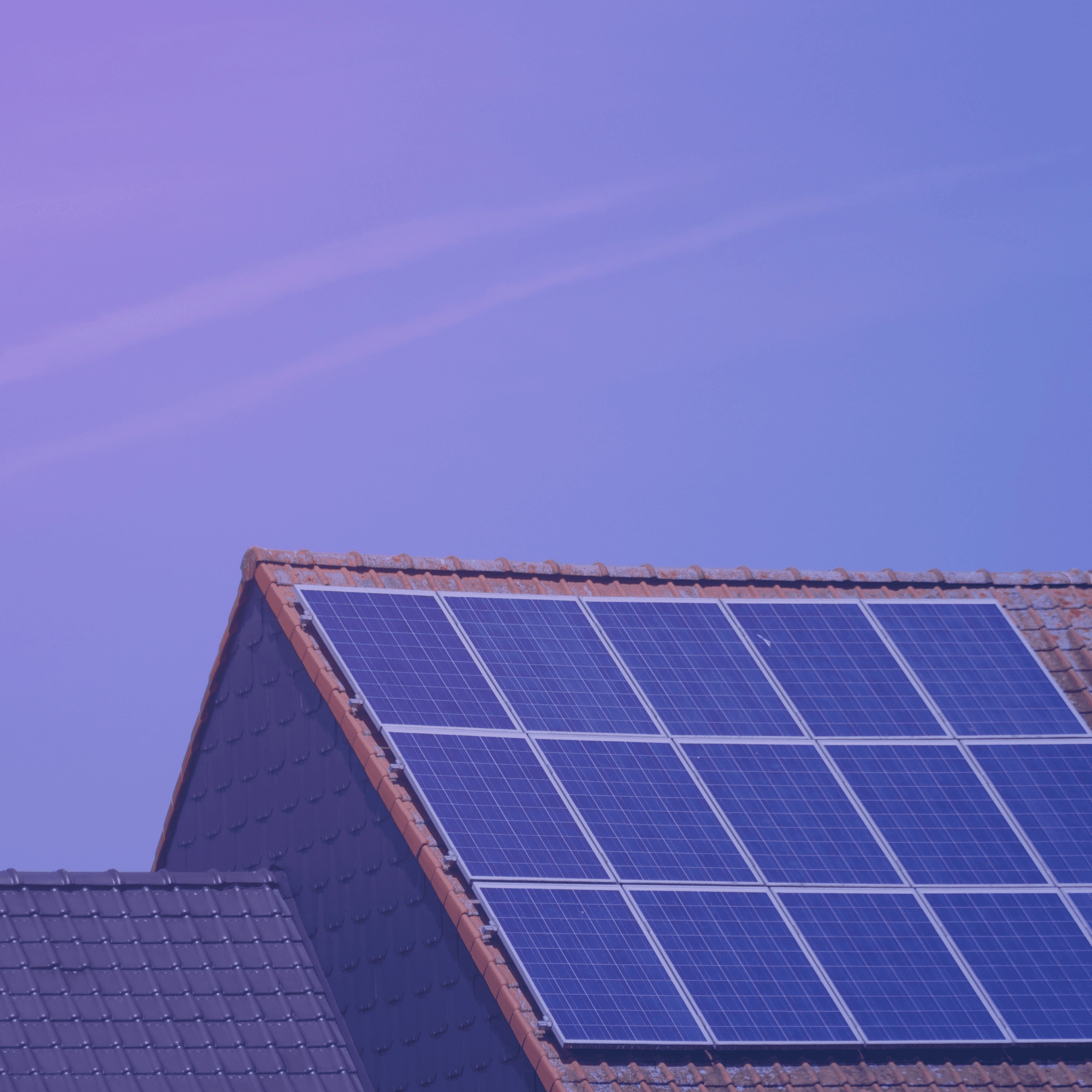
If you’ve put solar on a site, you already know the panels aren’t the hard part. Getting the power onto the roof is the easy half of the job. Getting the site to actually use it well, that’s where most operators get stuck.
We’ve been hearing this a lot from people managing multi-site estates lately. They’ve made the solar investment, the system is generating, and the savings still aren’t what the business case promised. Sales team’s been fielding calls specifically asking for an “energy optimisation device”, something that sits on top of the solar install and actually gets the numbers moving. So let’s talk about what that device needs to do, and why it usually isn’t the piece people expect.
Solar tells you what you’re generating. It doesn’t tell you what you’re using
A solar installation is a supply-side fix. It changes where your electricity comes from. It does nothing, on its own, to change when or how your site consumes it.
Most large sites still run their geysers, air con, and lighting on the same schedule they always have, disconnected from whatever the solar system is producing at that moment. Geysers heat overnight when there’s no sun to use. Air con runs flat out at 2pm regardless of whether the site is drawing from solar or from the grid. Nobody’s watching, because nobody has a way to watch, appliance by appliance, across an entire estate.
That’s the gap. Not the solar. The load.
What an energy optimisation device actually needs to do
If you’re evaluating options, the device on its own isn’t the point, so it’s worth being specific about what “optimisation” needs to mean in practice, not just in a spec sheet.
It needs to measure, not estimate, energy use and temperature at the appliance level, not just at the meter. It needs to let you set timers, temperature limits and load thresholds per appliance, per site, and change them remotely, without a technician driving out. And it needs to report on what actually happened, in numbers you can put in front of a finance director, not a vague “efficiency improved” line.
Most solar installs stop at generation. That’s a hardware problem. Optimisation is a control problem, and it needs a different kind of device entirely.
This is what Gecko Switch is built for
Gecko Switch is our fleet load management device. It measures temperature and energy usage across multiple appliances, geysers, lights, air con, across multiple locations on your site, or across your whole portfolio of sites. DIN rail mounted, built for commercial and residential estates at scale.
On its own, a Switch tells you what’s happening. Connected to the Gecko Hub, our platform, it becomes something you can actually run a site on. One dashboard, every connected device, real-time. You can see load across your entire estate, set the rules that decide when and how each appliance draws power, and generate the reporting you need to show upward, or to prove the solar investment is finally doing what it was meant to do.
That’s the difference between having solar and having a site that uses solar properly.
Why this matters more once you’ve already gone solar
If you’ve already installed solar, load control isn’t a nice-to-have add-on. It’s what turns your existing investment into the return you modelled. Every kilowatt your site pulls from the grid instead of from solar, because a geyser fired at the wrong time or an air con unit ran with no limit on it, is money the panels already generated and you didn’t use.
Gecko Switch and the Gecko Hub don’t replace your solar system. They make sure it’s not the only intelligent thing on your site.
What this looks like for your team
You don’t need to be technical to run this. You need someone who can look at a dashboard once a week and know exactly what’s being used, where, and what it’s costing. That’s what we build the Hub around, visibility and control that a facilities or operations manager can actually use, without needing an engineering degree to interpret it.
And if the honest answer is that your team doesn’t want to be the one setting thresholds and watching dashboards, that’s fine too. That’s what we’re here for. Dark Line takes responsibility for the outcome, not just for shipping a device.
Where to start
If solar’s already on your site and the numbers haven’t caught up yet, the fix probably isn’t more panels. It’s knowing, appliance by appliance, where the load is going.
Book a call with our technicians. We’ll walk through what load control looks like on your specific site, and what it would take to get Gecko Switch and the Gecko Hub running across it.